Did You Know These Secrets About Dubai Real Estate Properties in 2025?

Did You Know These Secrets About Dubai Real Estate Properties?
Dubai’s real estate market is one of the most exciting and active property markets in the world, attracting investors and homebuyers from all over. Every quarter, the emirate handles thousands of transactions worth billions of AED, creating a busy marketplace full of opportunities for those who understand its complexities.
You might think you know everything about Dubai real estate properties, but the market holds fascinating secrets that could transform your investment strategy. From unique ownership structures to residency benefits, the Dubai real estate market overview reveals layers of complexity that savvy investors leverage to their advantage.
Whether you’re interested in buying, renting, or selling properties in Dubai, the emirate’s property sector offers distinct advantages you won’t find elsewhere. The absence of property taxes, combined with strategic government initiatives, has created an environment where both seasoned investors and first-time buyers can thrive.
Understanding these hidden aspects of Dubai real estate can unlock lucrative investment opportunities and help you find your ideal home in this cosmopolitan city. The secrets we’re about to reveal will change how you approach property decisions in this remarkable market.
1. The Game-Changer: 2002 Freehold Law
The Freehold law Dubai introduced in 2002 marked a pivotal transformation in the emirate’s property landscape. Before this legislation, foreign nationals faced significant restrictions when attempting to purchase real estate in the UAE. The new law dismantled these barriers, granting international investors the right to own properties outright in designated freehold zones.
Key Freehold Zones That Opened to Foreign Ownership
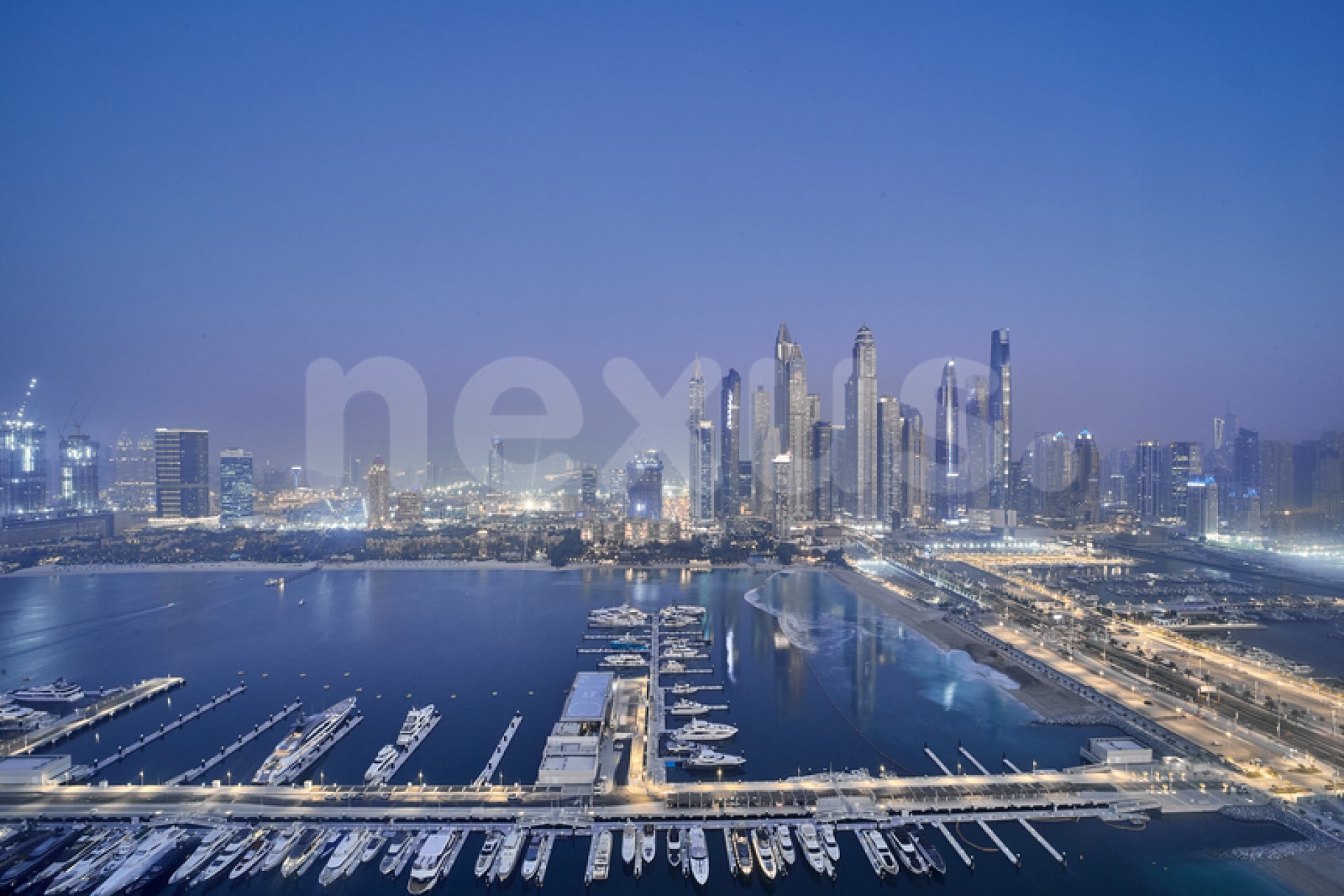
- Dubai Marina – A waterfront community offering luxury high-rise living
- Downtown Dubai – Home to iconic landmarks like Burj Khalifa and Dubai Mall
- Jumeirah Lake Towers (JLT) – A mixed-use development with commercial and residential towers
- Palm Jumeirah – The world-famous artificial island destination
This legislative shift created an unprecedented opportunity for global investors to properties sell rent without the complex partnership structures previously required. Foreign buyers gained complete ownership rights, including the ability to transfer, lease, and inherit their investments.
The impact on foreign property ownership was immediate and substantial. International capital began flowing into Dubai’s real estate sector at unprecedented levels, with investors from Europe, Asia, and the Americas recognizing the potential for both capital appreciation and rental income. The law essentially positioned Dubai as a global real estate hub, competing directly with established international markets like London and New York.
Banks responded by developing specialized mortgage products for foreign nationals, while developers launched ambitious projects specifically targeting international buyers seeking luxury properties in these newly accessible zones.
2. Navigating Property Ownership Types in Dubai
Understanding the different types of property ownership in Dubai becomes essential when you’re ready to make your investment decision. The UAE offers three distinct ownership structures, each designed to meet specific investor needs and financial capabilities.
Freehold Ownership
Freehold represents the most comprehensive ownership option available to foreign investors. You gain complete ownership rights, including the ability to sell, rent, mortgage, and pass the property to your heirs without restrictions. This ownership type applies exclusively to designated freehold zones such as Dubai Marina, Downtown Dubai, and Jumeirah Lake Towers.
Advantages:
- Full ownership rights with no time limitations
- Freedom to sell or rent at market rates
- Inheritance rights for family members
- Eligibility for UAE residency visas
Disadvantages:
- Higher purchase prices compared to other ownership types
- Limited to specific designated areas only
Usufruct Rights
Usufruct grants you long-term lease rights spanning 10 to 99 years. You can use, rent, and profit from the property during this period, though you cannot sell the underlying land ownership.
- Lower initial investment compared to freehold
- Available in broader areas across Dubai
- Renewable lease terms in many cases
- No permanent ownership rights
- Limited resale opportunities
- Potential complications with lease renewals
Commonhold Structure
Commonhold operates similarly to condominium ownership in other countries. You own your individual unit while sharing common areas and maintenance responsibilities with other property owners in the development.
- Shared maintenance costs and responsibilities
- Access to premium amenities and facilities
- Professional property management services
- Monthly service charges and fees
- Limited control over building decisions
- Potential disputes with other owners
3. Financial Considerations When Investing in Dubai Real Estate
Understanding property costs in Dubai extends far beyond the advertised purchase price. You need to budget for several mandatory fees that can significantly impact your investment calculations.
Registration fees for buying property represent one of the largest additional expenses at approximately 4% of the purchase price. This fee goes directly to the Dubai Land Department (DLD) for processing your property registration. Transfer fees add another 4% to your total costs, bringing government-related expenses to roughly 8% of your property’s value.
The breakdown of essential costs includes:
- Registration fees: ~4% of purchase price
- Transfer fees: 4% of purchase price
- Mortgage registration fees: 0.25% of mortgage amount (if financing)
- Title deed fees: AED 4,000 to 8,000 depending on property value
- Brokerage commissions: 2-3% of purchase price
Real estate agents typically charge 2-3% commission when you Dubai Real estate properties sell rent through their services. This percentage applies whether you’re buying or selling, making it crucial to factor into both entry and exit strategies.
Property valuation fees, legal consultation costs, and home inspection services represent additional expenses that prudent investors should consider. Banks may also require property insurance as part of mortgage agreements, adding to your ongoing financial commitments.
These costs can easily add 10-15% to your initial investment, transforming a AED 1 million property into a AED 1.15 million total expenditure.
Conclusion
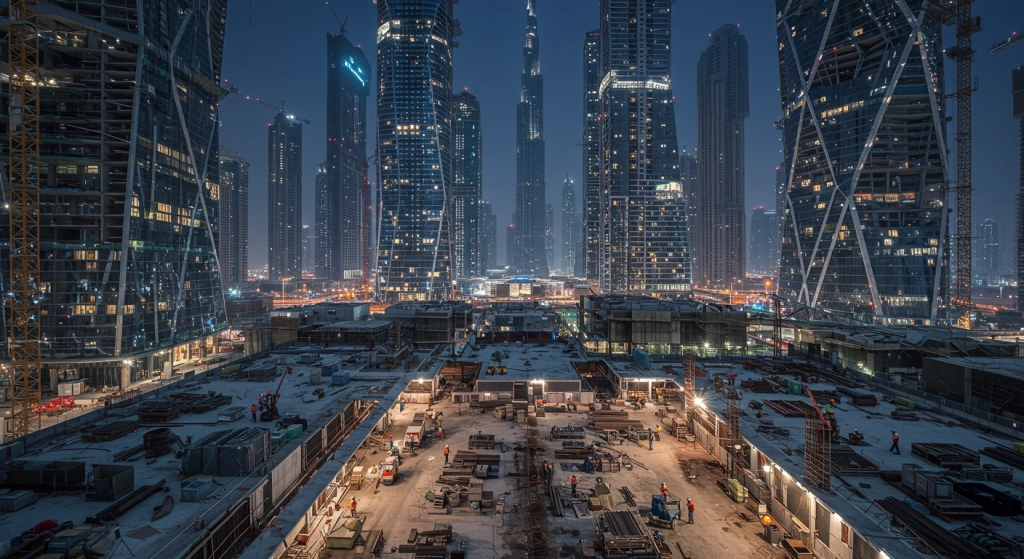
Buying property near Dubai’s upcoming mega projects in 2025 isn’t just a real estate decision — it’s a strategic investment for the future. With massive infrastructure growth underway, early buyers stand to benefit from rising demand, stronger yields, and long-term property appreciation.