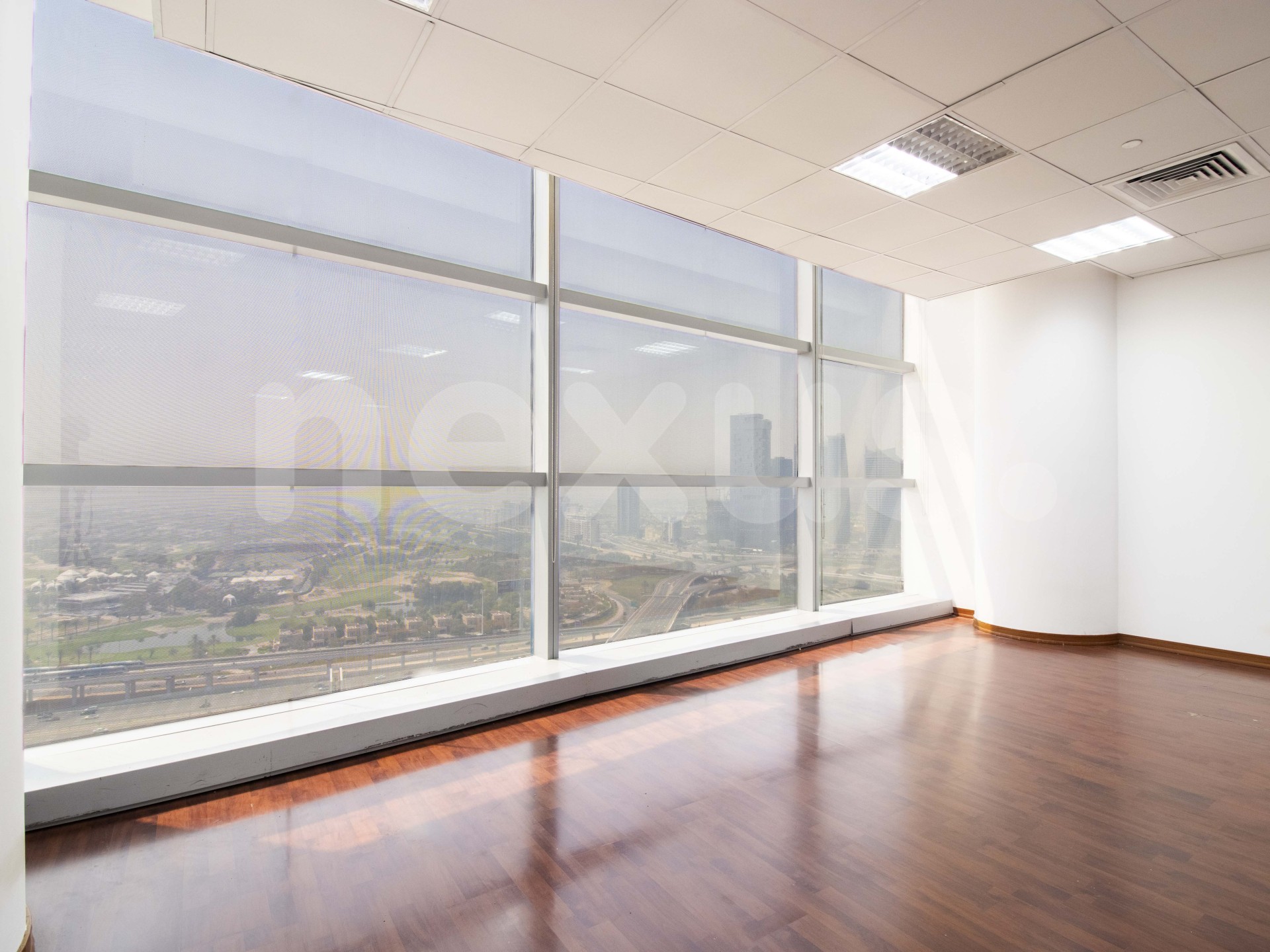
Dubai Rental Property Preparation for 2027: A Year-End Guide for Landlords

Dubai Rental Property Preparation for 2027: A Year-End Guide for Landlords
The final weeks of 2026 provide landlords with an opportunity to review their rental properties before the new year begins. Whether you own a studio, a family apartment or a luxury villa, a planned review can help identify maintenance needs, improve the tenant experience and establish a more realistic financial outlook.
A successful rental property is not simply one that achieves a high advertised rent. Its performance also depends on occupancy, operating expenses, property condition and the quality of the relationship between landlord and tenant.
Here is how property owners can prepare their rental assets for 2027.
1. Review Your Current Rental Price
Begin by assessing whether the current rent remains appropriate for the property and its location.
Compare similar units in the same building or community, taking account of size, condition, furnishing, views and available amenities. Where possible, use reliable evidence of completed rental agreements rather than relying exclusively on asking prices.
If your property has remained vacant or attracted few serious enquiries, review the pricing and marketing strategy. An unrealistic asking price may extend the vacancy period and reduce the total annual income.
For Dubai properties, landlords should consult the relevant Rental Index and current rules administered by the Dubai Land Department and RERA when considering rental adjustments. Applicable notice requirements and legal limits must be followed.
2. Carry Out a Year-End Maintenance Inspection
Preventive maintenance can help identify problems before they become more expensive to resolve.
Inspect the air-conditioning system, plumbing, electrical fittings, appliances, windows and doors. Look for signs of leaks, moisture, damaged sealants and other issues that could affect the property's condition.
For villas and properties with outdoor areas, also review drainage, external lighting, access gates and other relevant features.
Create a maintenance list and prioritise urgent repairs. Keep records of contractor visits, invoices and completed work.
The goal is not to renovate every year. It is to maintain the property in a condition that supports its intended use and reduces avoidable disruption.
3. Improve the Property's Presentation
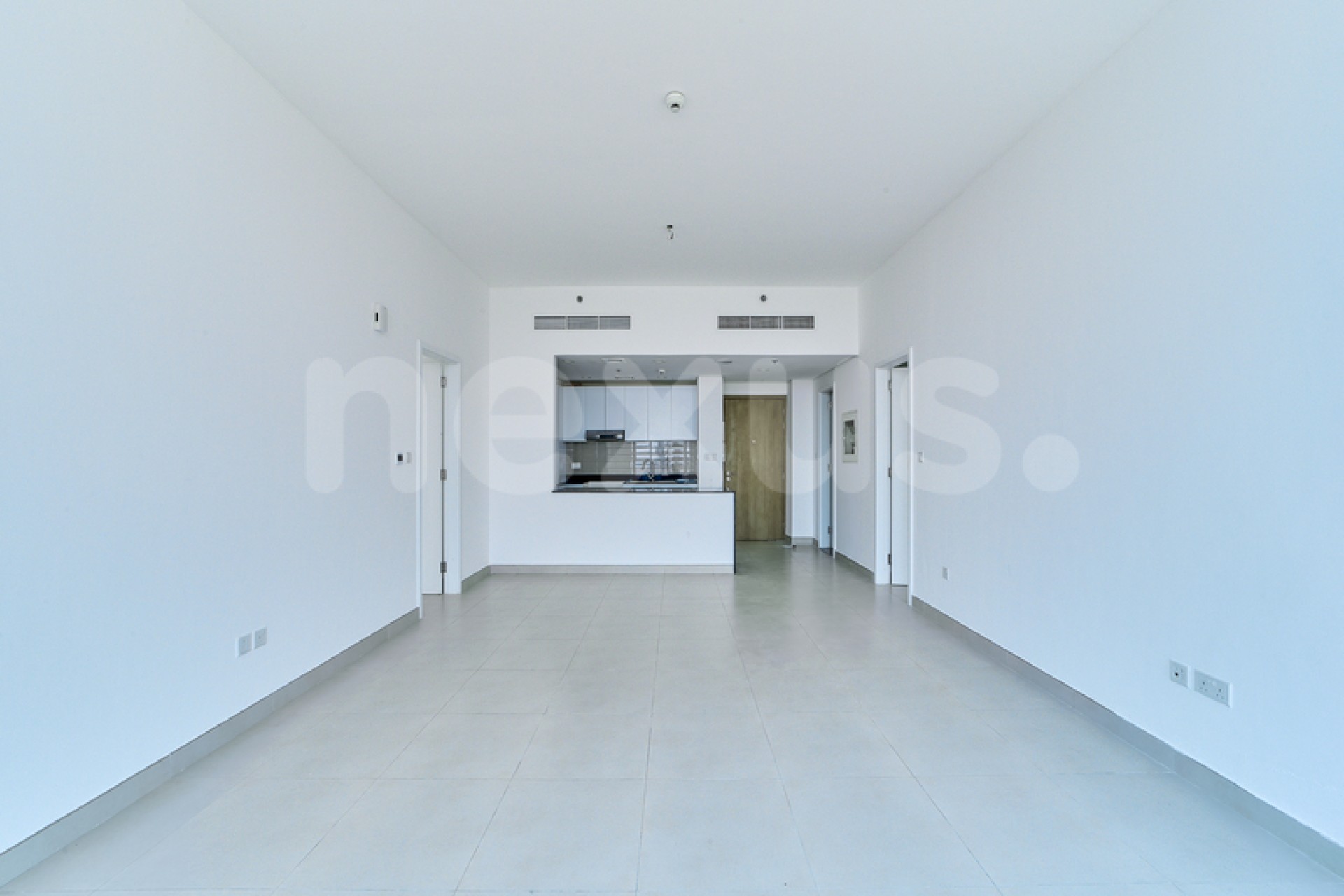
A rental property should be easy for prospective tenants to understand and visualise as a home.
Ensure that rooms are clean, lighting works properly and photographs accurately represent the unit. If the property is furnished, review the condition and practicality of the furniture.
Small improvements may make a meaningful difference. Replacing damaged handles, repairing minor wall marks or resolving a faulty appliance can improve the viewing experience without requiring a major refurbishment.
Before investing in upgrades, consider the likely tenant audience and the property's rental price range. Expensive finishes may not produce a corresponding increase in achievable rent.
4. Review Your Marketing Strategy
The way a property is marketed can influence the quality and number of enquiries it receives.
Review your listing photographs, description, price and contact information. Make sure the advertised facilities are accurate and that prospective tenants can easily arrange a viewing.
Highlight practical advantages, such as parking, storage, transport access, nearby schools or included appliances, where applicable.
If you use an estate agent or property manager, ask for a review of enquiry quality, viewing activity and feedback from prospective tenants.
A lack of interest may indicate a pricing issue, but it can also reflect poor presentation, unsuitable targeting or competition from similar properties.
5. Prioritise Tenant Retention
Keeping a suitable tenant can reduce the disruption and costs associated with finding a replacement.
Respond to maintenance requests, communicate clearly and address concerns within the applicable contractual and legal requirements.
As a tenancy approaches renewal, discuss the process early enough to allow both parties to plan. Review the agreement and comply with the relevant notice requirements before proposing changes.
A positive tenant relationship does not mean agreeing to every request. It means maintaining clear expectations and handling issues professionally.
6. Prepare a Realistic Financial Forecast
Calculate the property's expected income and expenses for 2027.
Include annual rent, service charges, routine maintenance, insurance where appropriate, management fees and potential vacancy periods. If the property is financed, include relevant mortgage costs in your cash-flow assessment.
For example, an apartment generating AED 100,000 in annual rent does not necessarily produce AED 100,000 in profit. Expenses and periods without a tenant can reduce the amount available to the owner.
Prepare a reserve for unexpected repairs or larger replacements. This is especially important for older properties and units with equipment that may require servicing.
7. Review Management Arrangements
If you manage the property yourself, ensure that tenancy documents, payment records, maintenance history and important dates are organised.
If you work with a property management company, review its services and reporting arrangements. Confirm how maintenance is approved, how tenant issues are handled and what fees apply.
For overseas owners, clear local management arrangements can help ensure that urgent matters are addressed without unnecessary delays.
8. Set Priorities for the New Year
Not every property requires the same level of investment.
Some owners may need to focus on maintenance and tenant satisfaction. Others may need to reassess their asking rent, improve marketing or evaluate whether continued ownership aligns with their financial plans.
Choose a small number of measurable priorities for 2027, such as reducing avoidable vacancies, improving response times to maintenance requests or reviewing operating expenses.
Track progress throughout the year and adjust your strategy when market evidence or the property's condition changes.
Landlord Year-End Checklist
-
Compare the current rent with relevant market evidence.
-
Inspect the property and schedule necessary repairs.
-
Update accurate photographs and listing information.
-
Review tenant communication and renewal dates.
-
Forecast annual expenses and maintain a repair reserve.
-
Confirm property management responsibilities and fees.
-
Check applicable tenancy rules before changing rental terms.
Final thoughts
Preparing a Dubai rental property for 2027 is about protecting its condition, managing expenses and creating a reliable tenancy experience.
Landlords who review pricing, maintenance, marketing and cash flow before the new year will be better prepared to make informed decisions as market conditions evolve. A structured plan can help you manage the property more effectively without relying on unrealistic rental or appreciation assumptions