Dubai's Growing Residential Communities: What Should Homebuyers Look for Beyond the Property?

Choosing the right home starts with choosing the right neighbourhood
When searching for a property in Dubai, it is easy to focus on the apartment's layout, villa size, interior finishes or asking price.
However, the surrounding community can be just as important.
Your neighbourhood influences your daily routine, commuting time, access to essential services, recreational opportunities and overall living experience. For property investors, it can also influence tenant demand and the property's long-term appeal.
Dubai offers a wide selection of residential communities, each with its own character and lifestyle advantages.
So, what should homebuyers consider before choosing where to live?
1. Evaluate Connectivity and Accessibility
Accessibility is one of the most important considerations when selecting a residential community.
Think about how easily you can reach your workplace, schools, shopping destinations and other places you visit regularly.
Consider:
-
Access to major roads and highways.
-
Distance from Metro stations and public transport.
-
Traffic conditions during peak hours.
-
Availability of parking.
-
Access to airports and business districts.
A property that appears conveniently located on a map may involve a longer daily commute than expected.
Visit the neighbourhood at different times of the day to understand its accessibility.
2. Consider the Lifestyle You Want
Not every residential community offers the same living experience.
Some areas are designed around high-rise urban living, while others focus on spacious homes, landscaped surroundings and family-oriented facilities.
For example, Dubai Marina offers waterfront surroundings and an active lifestyle, while communities such as Arabian Ranches provide a more suburban residential environment.
Before deciding, consider whether you prefer:
-
Waterfront living.
-
A central urban location.
-
Quiet residential surroundings.
-
Gated villa communities.
-
Green spaces and outdoor recreation.
-
Walkable neighbourhoods with nearby restaurants and shops.
Your preferred lifestyle should influence your property search.
3. Look at Schools and Educational Facilities
For families, access to education can be a major factor in choosing a neighbourhood.
Research the schools, nurseries and educational facilities located near the property.
Consider school options, transportation arrangements, accessibility and the availability of extracurricular activities.
Even buyers without children may find that access to established educational facilities contributes to a community's appeal among family tenants.
However, always verify the actual distance and commute rather than relying solely on advertised proximity.
4. Check Healthcare and Essential Services
Convenient access to healthcare and daily services can improve the overall living experience.
Explore the availability of:
-
Hospitals and medical centres.
-
Pharmacies.
-
Supermarkets.
-
Grocery stores.
-
Fitness facilities.
-
Restaurants and cafés.
-
Shopping centres.
A community with convenient access to essential services can make everyday life easier.
5. Understand the Community's Amenities
Amenities can make a meaningful difference to how residents experience their homes.
Depending on the development, facilities may include:
-
Swimming pools.
-
Fitness centres.
-
Children's play areas.
-
Walking and cycling paths.
-
Landscaped parks.
-
Community centres.
-
Sports facilities.
-
Retail outlets.
When evaluating a property, check whether amenities are actually available, maintained and accessible to residents.
Also consider whether the associated service charges represent good value for the facilities provided.
6. Research the Community's Property Market
If you are buying a property as an investment, understanding the local property market is essential.
Research comparable apartments, villas and townhouses in the same community.
Look at:
-
Recent sale transactions.
-
Rental prices.
-
Available property inventory.
-
Tenant demand.
-
Property types attracting interest.
-
Building and community quality.
Avoid relying exclusively on advertised asking prices. Actual transaction data can provide a more useful understanding of market activity.
A real estate professional familiar with the area can help you interpret the information.
7. Understand Service Charges and Maintenance
Two properties with similar purchase prices may have very different ongoing ownership costs.
Service charges can vary depending on the building, development and facilities.
Before purchasing, investigate:
-
Annual service charges.
-
Maintenance responsibilities.
-
Building management standards.
-
Reserve fund arrangements, where applicable.
-
Shared facility maintenance.
-
Any outstanding payments.
These costs are particularly important for buyers calculating potential rental returns.
8. Explore the Community's Development Potential
Some residential areas continue to evolve as infrastructure, retail facilities and public spaces develop.
New schools, roads, transport connections and commercial destinations may influence a neighbourhood's future appeal.
However, proposed developments should not automatically be treated as guaranteed improvements or future price increases.
Research confirmed projects, construction timelines and official announcements.
Consider whether the area already meets your needs rather than purchasing solely based on speculative future growth.
9. Visit the Area Before Making Your Decision
Property photographs and online descriptions cannot fully communicate the atmosphere of a neighbourhood.
Visit the community and explore its surroundings.
Pay attention to:
-
Noise levels.
-
Traffic patterns.
-
Cleanliness and maintenance.
-
Parking availability.
-
Pedestrian access.
-
Nearby construction activity.
-
General accessibility.
If possible, visit during both daytime and evening hours.
This can help you develop a more realistic understanding of everyday life in the area.
10. Match the Community to Your Long-Term Plans
The right community should support your future plans, not just your immediate requirements.
A young professional may prioritise proximity to business districts and entertainment, while a growing family may value additional space, schools and parks.
An investor may focus more heavily on tenant demand, rental performance and resale considerations.
Before making a final decision, compare your preferred communities against your financial position and long-term objectives.
Dubai Communities Worth Exploring
Depending on your preferences, the following established residential destinations may be worth considering:
Dubai Marina: Suitable for buyers interested in waterfront apartments, restaurants and urban connectivity.
Dubai Hills Estate: An established residential destination offering apartments, villas, green spaces and community facilities.
Arabian Ranches: Known for its villa-focused suburban lifestyle and family-oriented surroundings.
Jumeirah Village Circle: Offers a varied selection of apartments, townhouses and villas.
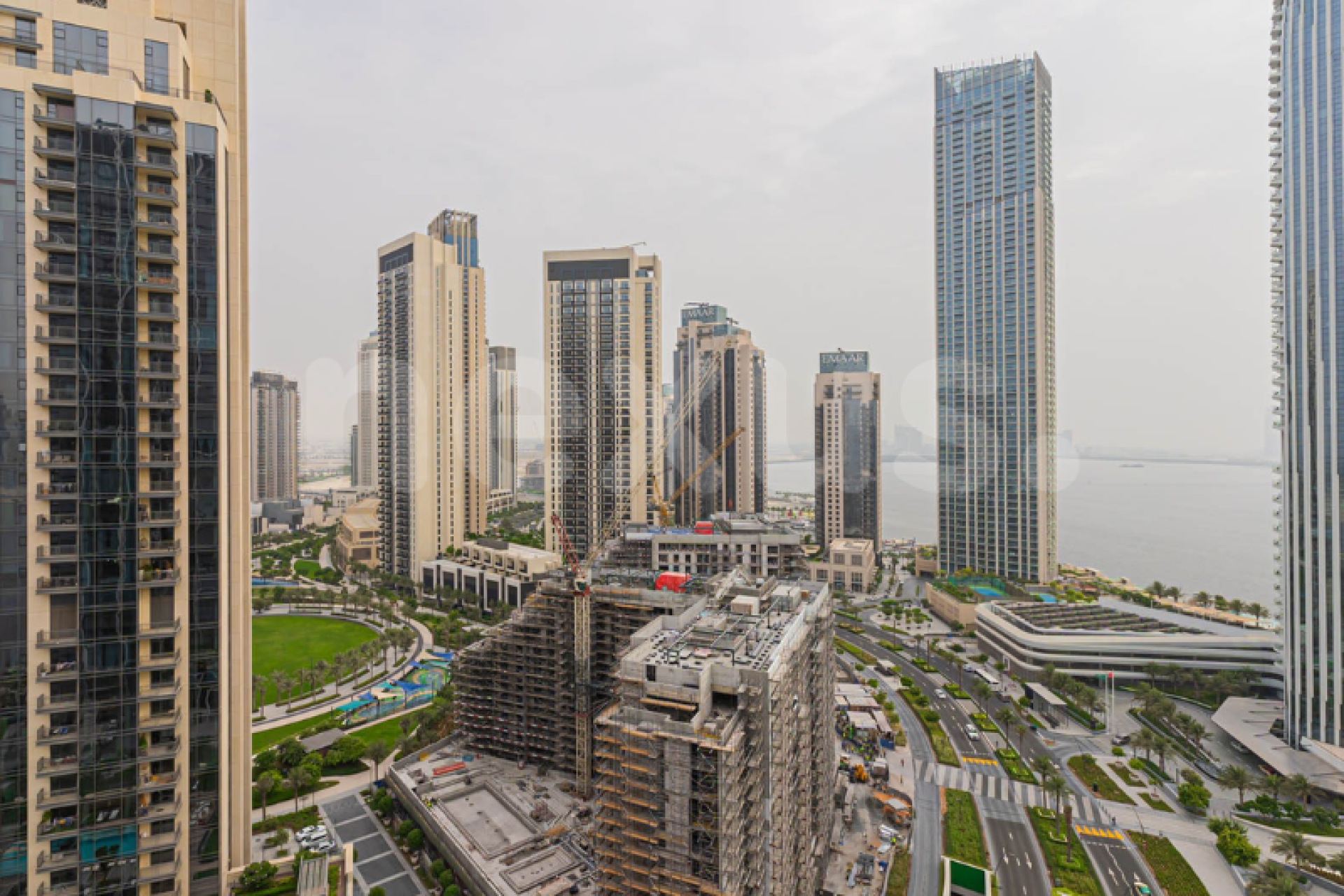
Dubai Creek Harbour: Appeals to buyers interested in modern waterfront developments and contemporary residential living.
Downtown Dubai: A central destination offering high-rise residences, retail, hospitality and access to major attractions.
Each community has different property options and price points, so buyers should compare individual developments rather than assuming all properties in one area offer the same experience.
Final Thoughts
Choosing a property in Dubai is about more than finding the right building or securing an attractive purchase price.
The surrounding community plays an important role in your lifestyle, daily convenience and overall ownership experience.
By researching connectivity, facilities, maintenance costs, local property activity and future development, you can make a more informed decision.
Looking for a property in the right Dubai community? Nexus Properties can help you explore available apartments, villas and townhouses based on your lifestyle and property requirements.