Dubai Real Estate Investment in 2026: What Investors Should Consider Before Buying
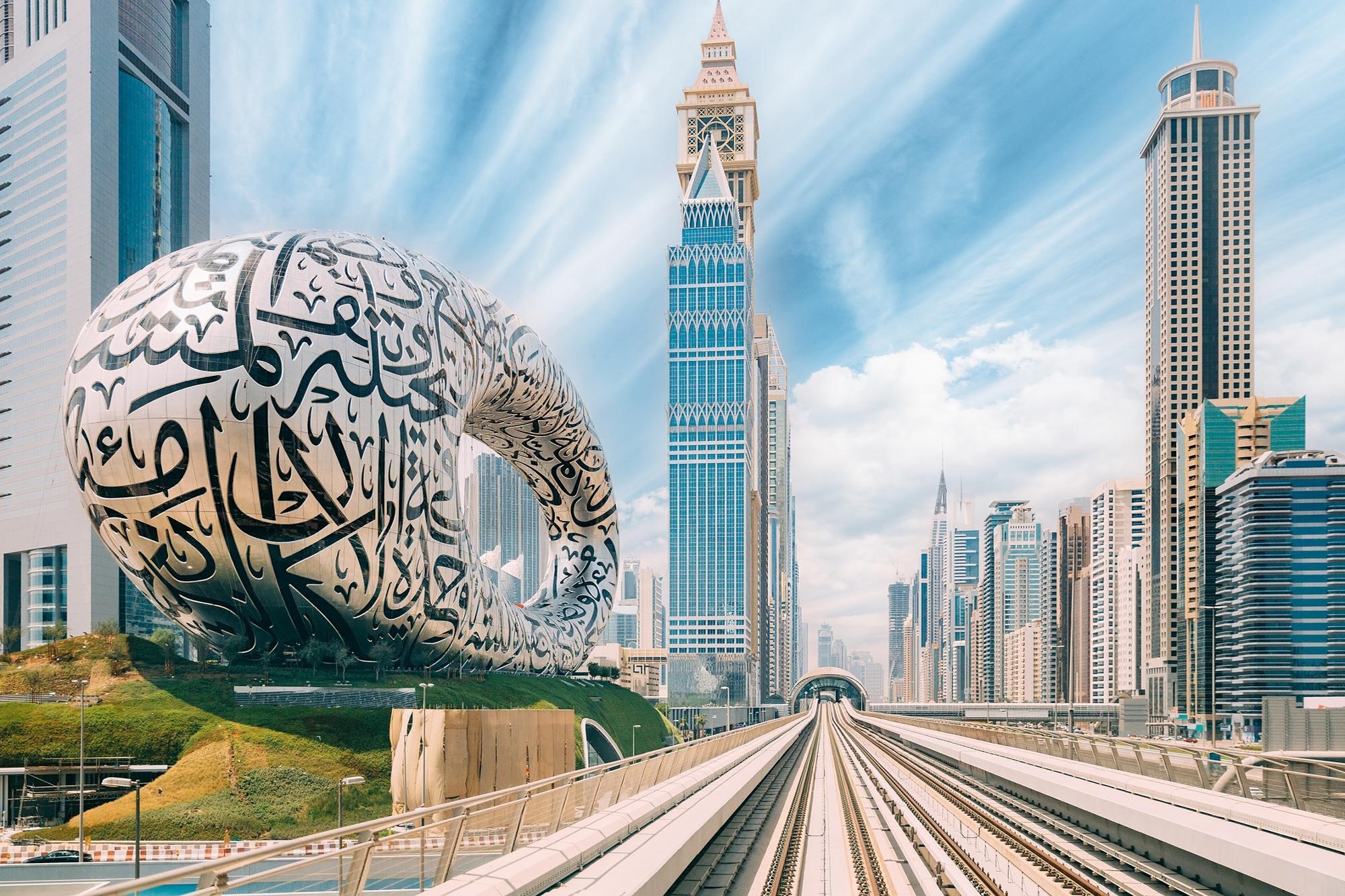
Dubai continues to attract property investors from around the world, thanks to its international business environment, growing population, infrastructure and diverse real estate market. From luxury waterfront residences to modern apartments and new developments, buyers have a wide range of opportunities to consider.
However, successful Dubai real estate investment is about more than finding an attractive property. Investors need to understand location, demand, rental potential, payment structures and long-term objectives before making a decision.
Understand Your Investment Objective
The first step is to establish what you want from the investment. Some buyers are primarily interested in rental income, while others are focused on capital appreciation or purchasing a property for future personal use.
An investor looking for rental income may prioritise areas with strong tenant demand, convenient transport links and access to schools, workplaces, retail and leisure facilities. Someone focused on long-term appreciation may instead consider emerging communities with planned infrastructure and future development potential.
Having a clear objective makes it easier to compare properties objectively.
Location Still Matters
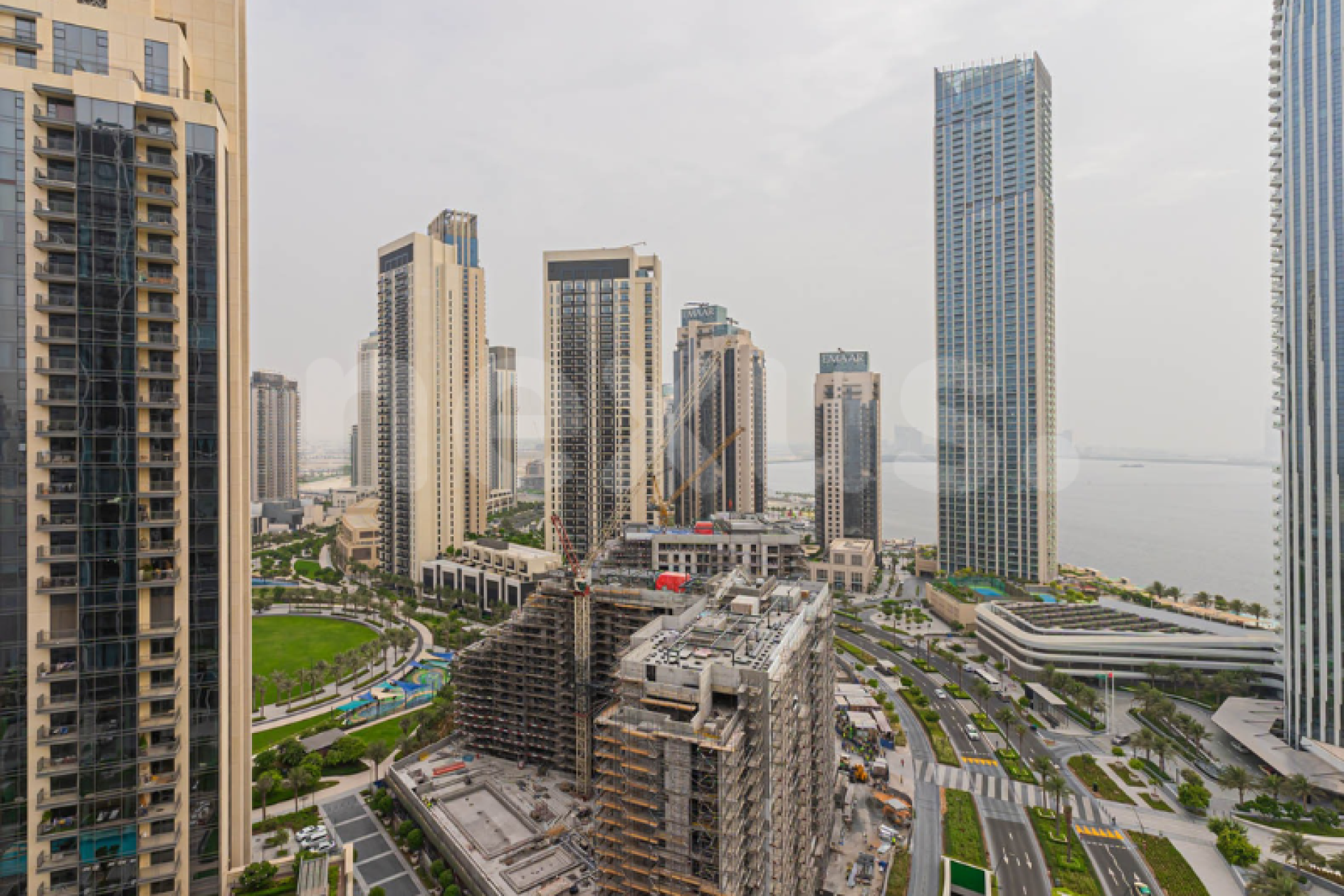
Location remains one of the most important factors in Dubai property investment. Established areas can offer strong infrastructure and existing demand, while newer communities may provide opportunities for investors looking at future growth.
Investors should consider more than the property's immediate surroundings. Accessibility, nearby attractions, public transport, schools, retail destinations, employment hubs and planned developments can all influence future demand.
The right location can help support both rental performance and resale potential.
Consider the Total Investment
The purchase price is only one part of the investment. Buyers should consider applicable transaction costs, service charges, maintenance, furnishing, financing costs and property management expenses.
Looking at the potential net return rather than simply the advertised rental income provides a more realistic picture of the investment.
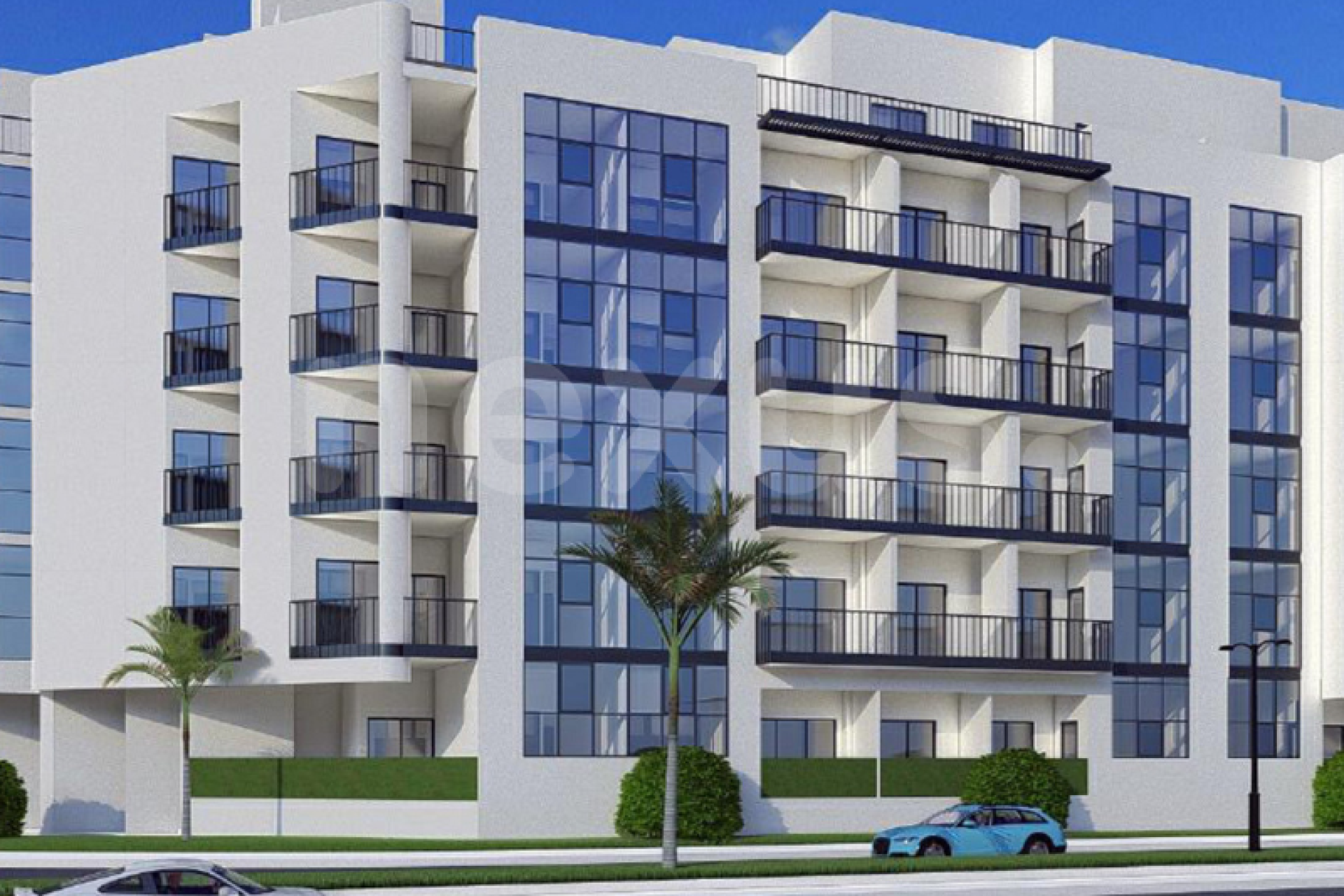
For off-plan properties, investors should also carefully review the developer, payment plan, expected completion timeline, project location and overall development offering.
Research Rental Demand
Dubai's rental market includes professionals, families, business travellers and international residents, creating demand across different property types.
Before purchasing a rental property, research comparable units in the same building or community. Consider asking rents, property size, furnishing, amenities and how quickly similar properties are being rented.
A property with strong tenant appeal may provide more consistent occupancy than one selected purely because it has a lower purchase price.
Think Long Term
Real estate is generally better approached with a long-term strategy. Market conditions can change, and short-term price movements should not be the only consideration.
Investors should evaluate whether the property fits their financial objectives over several years. Good property management, regular maintenance and appropriate tenant selection can also contribute to long-term performance.
Make an Informed Decision
Dubai offers a diverse property market, but not every property will suit every investor. The strongest decisions are based on research rather than simply following market trends.
By defining investment goals, researching locations, calculating the full cost and understanding rental demand, buyers can approach Dubai property investment with greater confidence.
Whether the goal is rental income, capital growth or long-term ownership, selecting the right property requires a combination of market knowledge, financial planning and careful due diligence.